Call Us Today at:


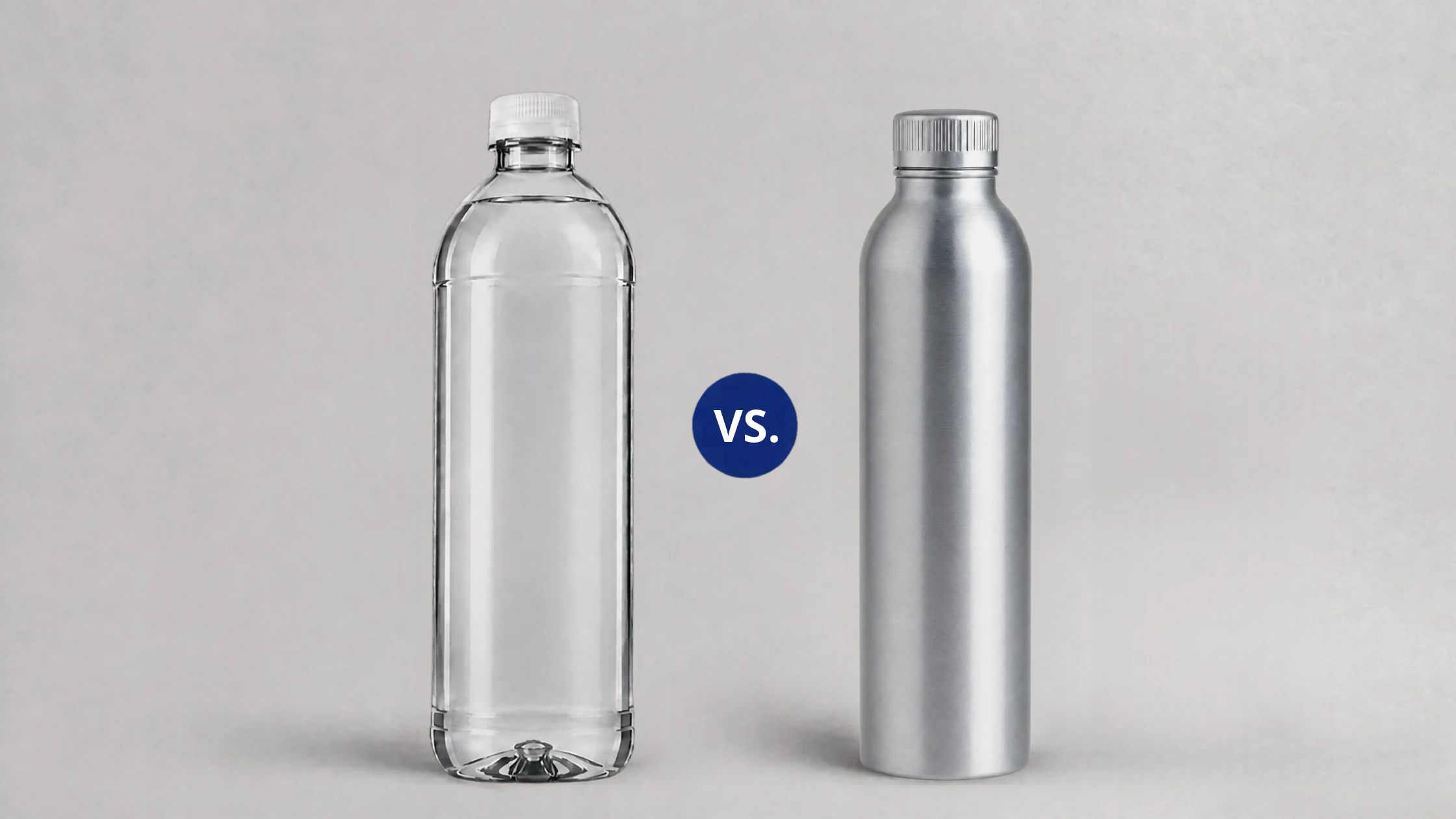
You’ve probably seen the headlines: “Plastic is destroying the planet.” “Aluminum is the green savior.” Major beverage brands are shifting to cans, and consumers are rushing to swap out their packaging choices. But when you peel back the layers of marketing and look closely at the data, the reality isn’t as black and white as it seems.
Let’s dispel some common myths and look at what is genuinely better for your health, your lifestyle, and the planet.
Myth 1: Aluminum Always Has a Lower Carbon Footprint Than Plastic
The Reality: If we look purely at the manufacturing process, making a brand-new aluminum container actually creates significantly higher greenhouse gas emissions than producing a plastic bottle.
According to comprehensive life cycle assessments, producing primary aluminum requires mining bauxite and running massive, high-heat smelters. This process generates roughly double to three times the initial carbon emissions compared to manufacturing a standard Polyethylene Terephthalate (PET) plastic bottle. In fact, the International Aluminum Institute notes that for non-carbonated drinks in the U.S. and Europe, a standard PET bottle actually holds the lowest production-related carbon footprint.
The Catch: Aluminum only wins the carbon argument if it is recycled. Turning an existing aluminum can back into a new can takes 95% less energy than making one from scratch. If a can ends up in a landfill instead of a recycling bin, its environmental cost is incredibly high.
Myth 2: All Plastics Are Toxic and Leach Chemicals
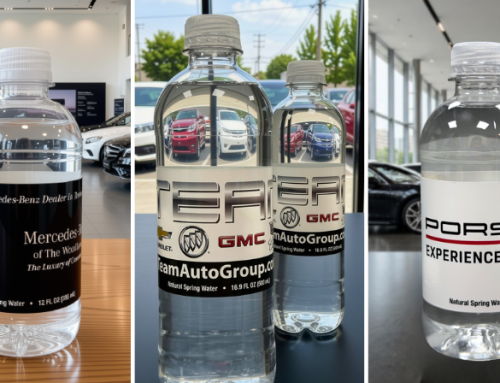
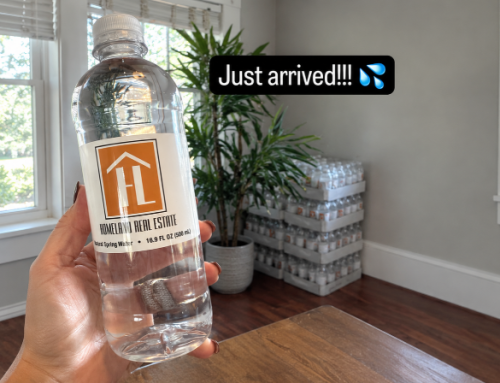
The Reality: The fear of plastic often comes from bisphenol-A (BPA) and phthalates, which are known hormone disruptors. However, the high-quality, commercial-grade PET plastic used for reputable bottled water—like the options provided by custom-label specialists at Alexa Springs—is entirely BPA-free and chemically inert.
PET does not contain BPA, nor does it leach harmful chemicals into your water under normal conditions. On the flip side, because raw aluminum can react with acidic liquids and corrode, almost all aluminum cans and bottles must be lined with an internal resin barrier. In cheaper or older aluminum containers, that inner liner historically contained BPA or similar chemical compounds. If you choose aluminum, you have to be just as careful to ensure the interior liner is explicitly certified chemical-free.
Myth 3: Plastic Can’t Be Recycled, but Aluminum is “Infinitely” Sustainable
The Reality: This myth is partially true, but it leaves out some major logistics.
Aluminum is an element, meaning it can be melted down and recycled infinitely without losing its strength or quality. Plastic polymers, on the other hand, technically degrade slightly each time they are melted down mechanically, meaning a single piece of plastic usually only gets recycled a few times before it has to be turned into clothing fiber or plastic lumber.
However, modern packaging science has completely flipped the script with chemical recycling, which allows PET plastic to be broken down to its core molecular level and rebuilt into food-grade bottles over and over again indefinitely. The real hurdle isn’t the science; it’s human behavior. In the U.S., the recycling rate for both aluminum cans and plastic bottles hovers below 50%. No matter how sustainable a material is on paper, it can’t fulfill that promise if it gets tossed into a standard trash bin.
Comparing the Options Side-by-Side
| Feature | PET Plastic Bottles | Aluminum Cans / Bottles |
| Initial Carbon Cost | Lower (Generates significantly fewer greenhouse gases to make) | Higher (Mining and smelting raw bauxite is highly energy-intensive) |
| Recyclability | Moderate (Degrades during basic mechanical recycling, but infinitely reusable via advanced chemical recycling) | Excellent (Can be melted down endlessly with no loss of structural quality) |
| Practical Utility | High (Resealable, lightweight, impact-resistant, comes in multiple sizes) | Moderate (Standard options lack reseal ability, can dent, and cost 25-30% more to produce) |
| Chemical Safety | Safe (Quality PET is naturally BPA-free and inert) | Safe, with a caveat (Requires an internal protective liner to prevent corrosion) |
The Real Winner? It Depends on How You Use It
If you are running an event, operating a business, or stocking a hospitality lounge, the right choice usually comes down to a balance of utility, budget, and environmental responsibility.
Because PET plastic is incredibly lightweight, it drastically reduces transportation emissions when shipping freight across the country. Furthermore, its physical convenience, like being completely resealable and coming in diverse shapes and sizes (from compact 12oz sizes to 1-liter options)—makes it highly practical for professional settings.
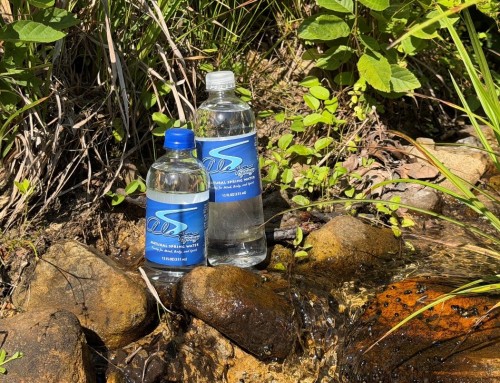
The most important step you can take isn’t just picking one material over the other; it’s ensuring that whatever you choose is sourced responsibly and disposed of correctly. If you look at options like Alexa Springs’ Custom Labeled Bottles, you get pure, additive-free natural spring water sourced from protected forest reserves in a highly recyclable, lightweight container.
The bottom line? Don’t let flashy “green” marketing fool you into thinking aluminum is flawless or that plastic has no place in a sustainable cycle. Check the facts, consider the lifecycle of the container, and always remember to recycle.